CJC-1295 Research: What Phase-1 Studies Measured
An early safety study measured blood changes from a compound with thirty protein parts. It didn't prove that people felt better.
How does CJC-1295 work in the body?
CJC-1295 reaches a receptor, a docking place on the growth gland [1]. The body's own message uses the same receptor.
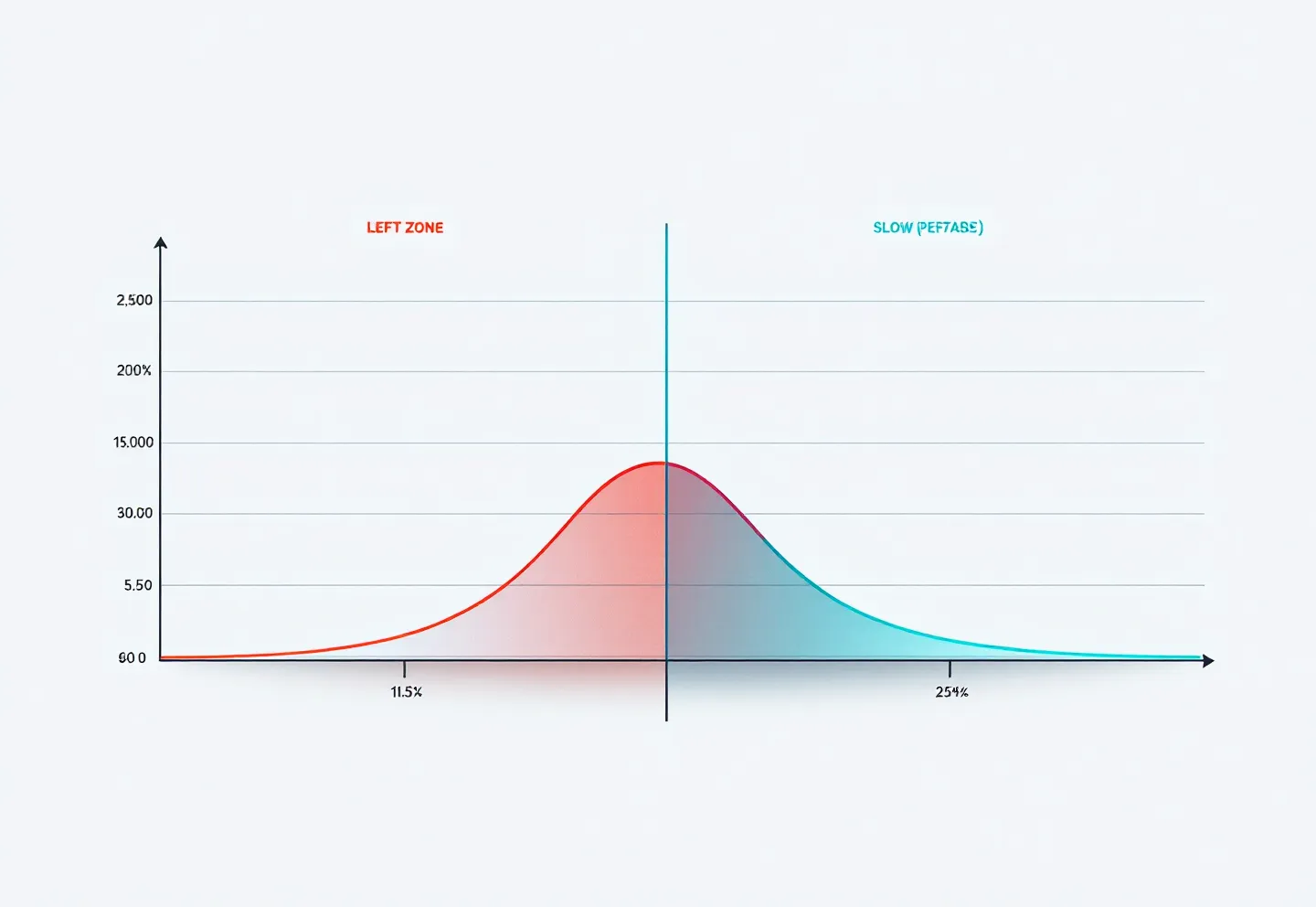
Once CJC-1295 docks, stored growth hormone leaves the gland. The liver answers by making insulin-like growth factor 1 [1].
Researchers measured both hormones in blood. They didn't measure how people felt.
Changed parts sit at places 2, 8, 15, and 27. Those changes help the compound resist being cut apart.
The body would otherwise cut between parts 2 and 3 [6]. The lab names for those parts don't change the result.
DAC adds one more safeguard. It joins the compound to a protein in blood [5].
That bond keeps the compound in blood much longer. Growth hormone still came in bursts [2].
The gland kept responding during the study. The short study can't tell you what happens later.
How does CJC-1295 with DAC vs no DAC differ?
Both CJC-1295 forms share the same thirty parts [5]. Both carry the same four changed parts.
DAC adds a link at one end. That link joins albumin, one of your blood proteins [5].
The shorter form is modified GRF. It doesn't have the added link.
With DAC, half of CJC-1295 remained after about 5.8 to 8.1 days [1]. Without DAC, half remained after about 30 minutes.
That is the main timing gap. The phase-1 DAC trial used weekly or every-other-week gaps [16].
Those study gaps aren't a dose guide for you. Both forms reach the same receptor.
That receptor is the gland cell's docking place. Both forms cause stored hormone to leave the gland.
The main difference is time in blood. DAC changes the clock, not the main action.
How is the shorter form tied to CJC-1295?
Modified GRF is the shorter form of CJC-1295. Its base has thirty protein parts, but no DAC link.
The changed parts sit at places 2, 8, 15, and 27 [6]. The CJC-1295 form with DAC carries those changes too.
Without the end link, the shorter form can't join albumin. The kidneys and proteins in blood remove it sooner.
Half remains in blood for about 30 minutes. That short stay isn't an approved treatment plan.
Sermorelin is the unchanged parent message. Half remains for about 7 to 20 minutes [10].
Each set of changes keeps the next form present longer. Only DAC adds the link to a blood protein.
Why pair CJC-1295 and Ipamorelin in studies?
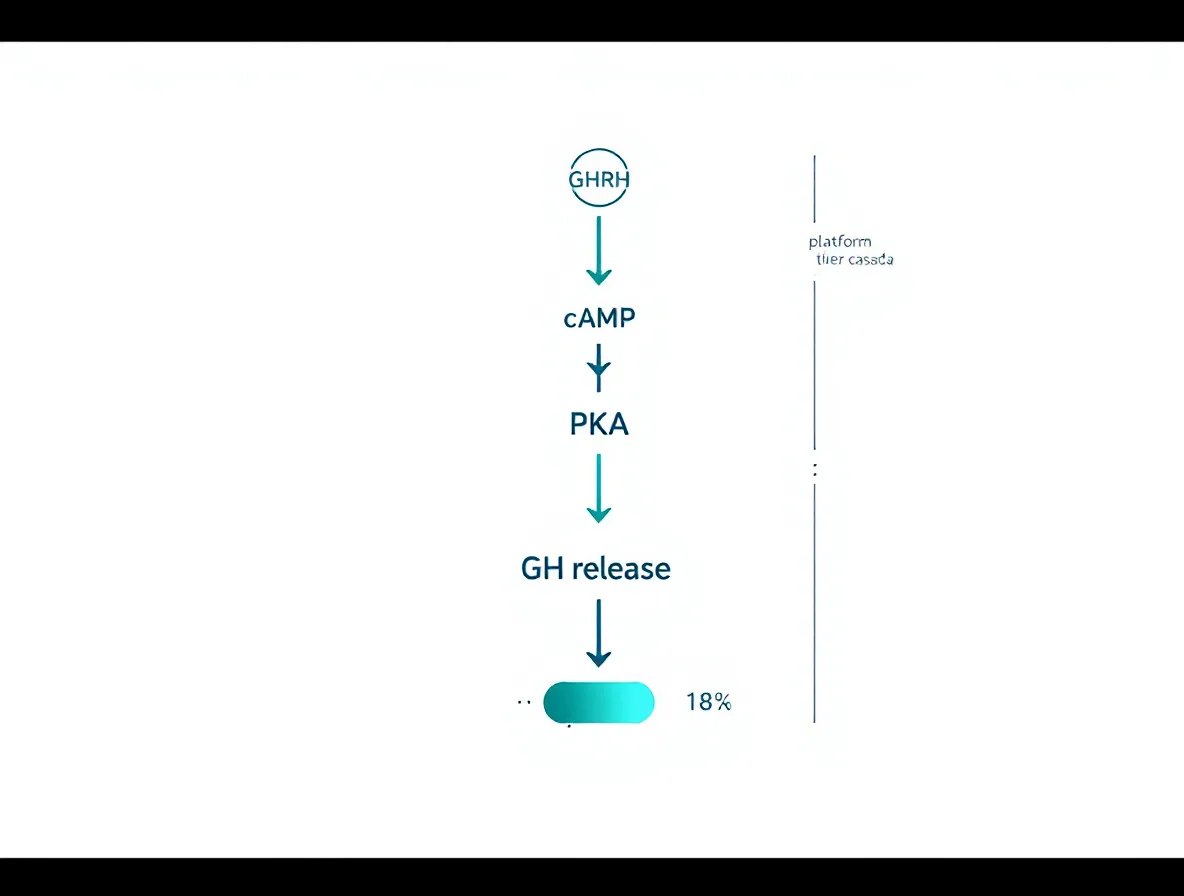
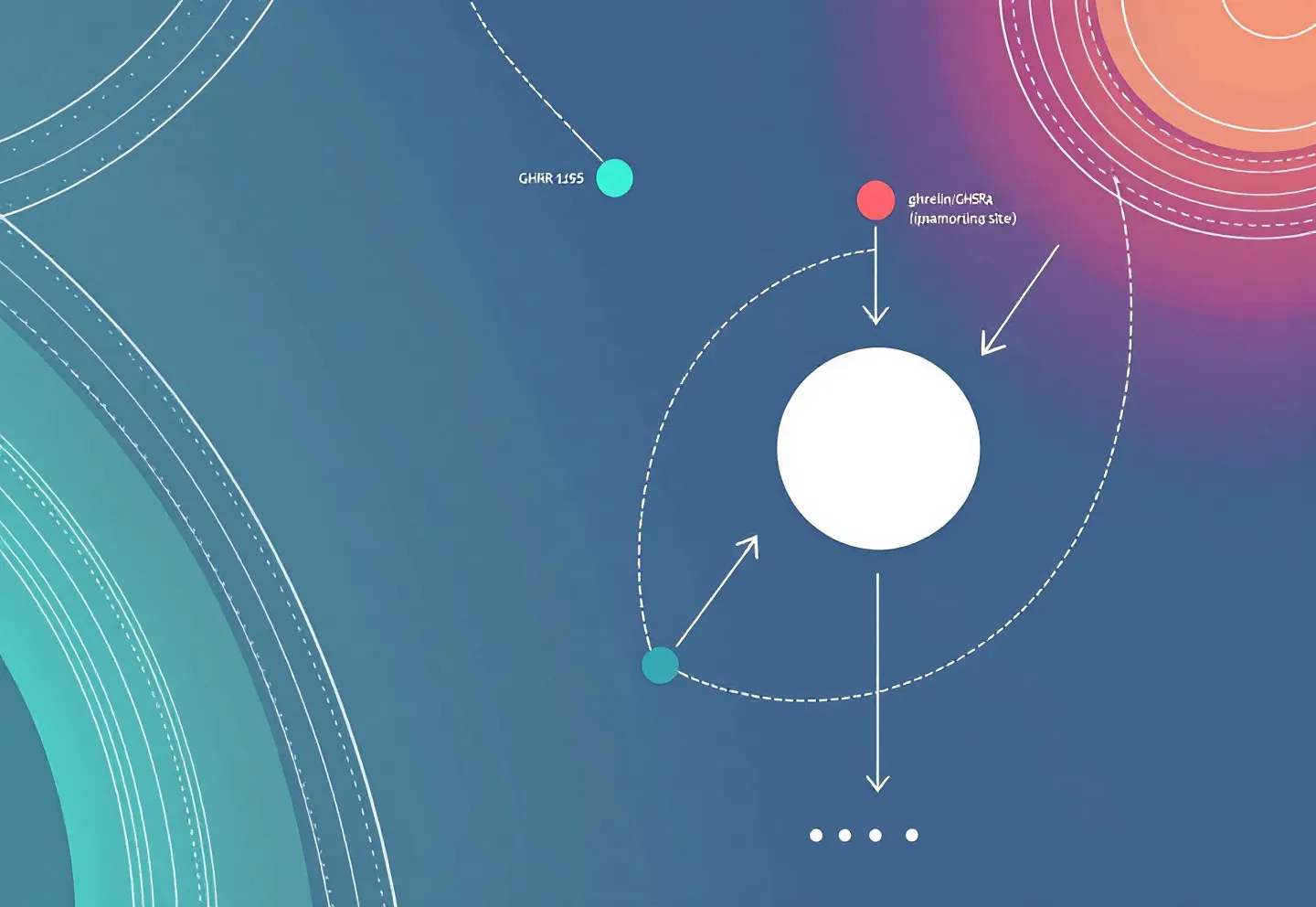
CJC-1295 and ipamorelin dock at different places on gland cells [7][8]. Either compound can prompt a growth-hormone release.
CJC-1295 uses the receptor for the body's own message. A receptor is where a drug docks on a cell.
Ipamorelin uses a different receptor [7]. Neither compound takes the other's place.
The two receptors start different steps inside the cell [8]. With both routes active, the hormone burst grew larger [8].
In some animal tests, the combined rise topped the two separate rises added together. The animal result can't tell you what happens in people.
Healthy volunteers also had other gland hormones checked. Growth hormone rose without a clear rise in cortisol or those other hormones [7][15].
That result explains why researchers chose the CJC-1295 pair. It doesn't show that the pair treats an illness.
The studies checked hormone release. They didn't prove that anyone felt better.
CJC-1295 vs ipamorelin: how are they different?
The compounds aren't the same. CJC-1295 is built to mimic a body message; its chain has thirty protein parts [1].
Ipamorelin has five protein parts. Each compound docks at a different receptor, or receiving place on the gland cell [7].
Both can release growth hormone. They also leave the blood at different speeds.
Half of CJC-1295 with DAC remains after about 7-8 days [1]. Ipamorelin lasts about an hour in blood.
That is why papers don't treat them as swaps. The papers help you see that their effects can add together.
Together, they raised the height of a hormone burst [8]. Researchers saw that in rodents, sheep, and people.
What did CJC-1295 blood tests show?
Four blood findings appear in the papers. The clearest are the two hormone tests.
Growth hormone: It rose 2- to 10-fold after one shot [1]. Healthy adults got 30 to 250 micrograms based on each kilogram the person weighed.
Higher amounts kept it raised at least six days. IGF-1, a liver-made hormone: It rose 1.5- to 3-fold after one DAC dose.
That hormone stayed raised for 9 to 11 days [1]. With 60 micrograms per kilogram, the rise built across 49 days [16].
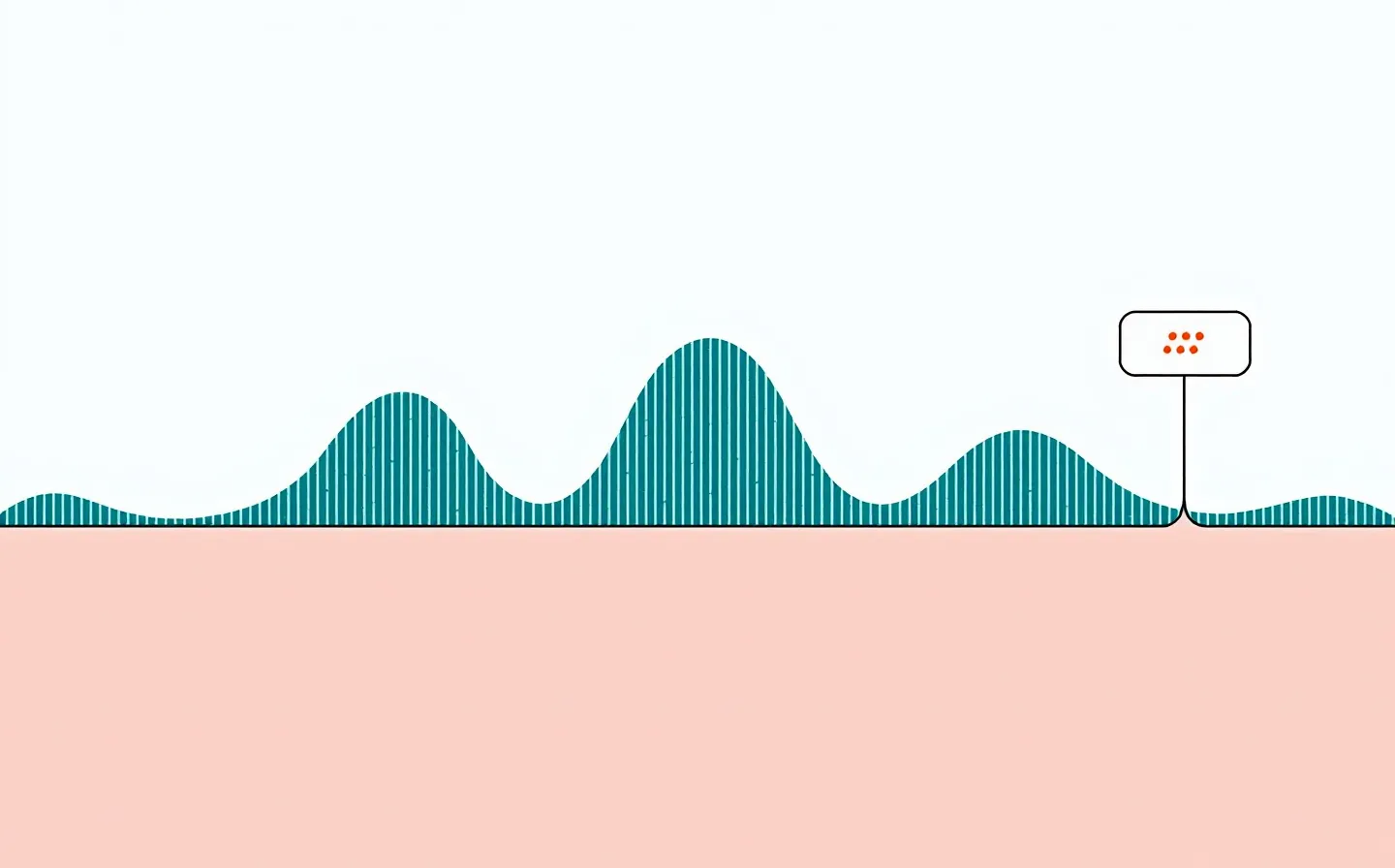
Hormone bursts: The number didn't change [2]. Each burst's height and low point rose.
The gland kept its usual burst pattern. Other blood proteins: A 90 microgram amount for each kilogram changed several [4].
Some proteins rose and others fell. The papers can't tell you whether those changes helped or harmed anyone.
These are blood-test results. The trials weren't built to test sleep, weight, or symptoms.
What did human and animal CJC-1295 studies find?
Two phase-1 CJC-1295 safety trials studied healthy adults. About 65 people took part in all [1][16].
One trial used 30, 60, 125, or 250 micrograms per kilogram, given under the skin. The other used 60 micrograms per kilogram for 49 days.
Shots came weekly or every other week. A linked paper measured the hormone bursts [2].
One phase-2 trial studied abnormal body-fat loss or gain in people with the same virus. The trial stopped after a fatal heart event.
The event came about two hours after the eleventh weekly dose [14]. The trial doctor blamed heart disease that was already present.
The sponsor also judged the death unrelated to CJC-1295. Still, the work didn't go past phase 2.
In 2006, mice lacking the growth-gland message got daily CJC-1295 [3]. Their weight, tissue apart from fat, and fat under the skin returned to control levels.
A mouse result doesn't settle what happens in people. A 2010 paper found the thirty parts and end link in one seized sample [5].
One sample can't tell you what another product contains. The 2025 WADA list names CJC-1295 in Section S2.2 [12].
How soon did blood tests change?
Phase-1 trials found higher growth hormone within hours [1]. The rise followed one CJC-1295 with DAC shot under the skin.
IGF-1, a liver-made hormone, stayed raised for one to two weeks. Researchers measured both changes in blood.
IGF-1 was the second test. The phase-1 papers can't tell you when a person felt a change; energy, sleep, and body shape weren't main results.
Did CJC-1295 studies test sleep?
The body releases much growth hormone during deep sleep. Its growth-gland message can also change sleep stages.
But the direct study wasn't about CJC-1295. In 1992, healthy men got that natural message through the nose [9].
They received it 30 minutes before bed. Deep sleep rose, mainly late in the night.
Early-night cortisol also fell. The finding helps explain why researchers ask about sleep.
It can't tell you whether the compound improves sleep. CJC-1295's phase-1 trials didn't run an overnight sleep test.
Sleep wasn't a main result. That gap remains.